
What structured commodity trade finance is—and why it sits above supply chain finance and factoring
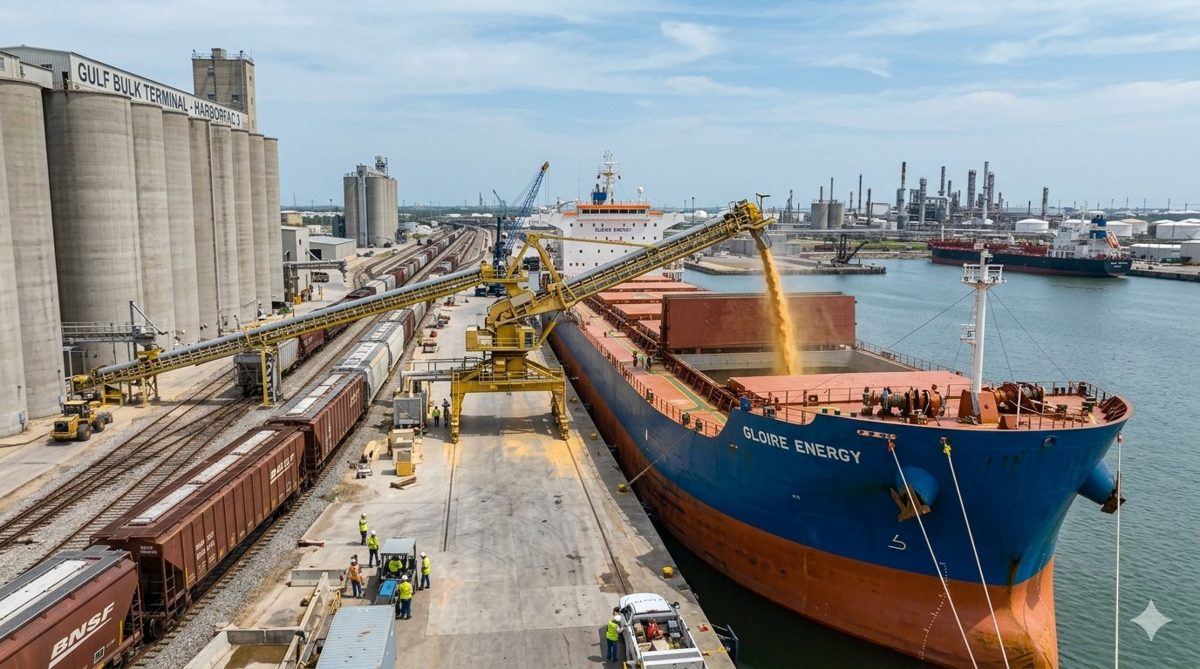
Most private credit asks the same question in different ways: how good is the borrower, and what happens if they stop paying? Structured commodity trade finance asks a different question first. Not who is borrowing, but what is the trade, and how does it pay itself back. That shift — from underwriting a balance sheet to underwriting a transaction — is the whole of the discipline, and it is what separates this asset class from the receivables-based products it is often filed alongside.
For an investor allocating to private credit, the distinction is not academic. It determines where your capital actually sits when a counterparty disappoints, and whether repayment depends on a borrower's continued health or on a flow of goods and cash you can see, control, and follow to its source.
The structure, in one sentence
A structured commodity trade finance facility advances money against a specific, identifiable physical trade — a defined cargo, moving under known contracts, from a named seller to a named buyer — and is repaid out of the proceeds of that same trade when it completes. The financier does not lend into a company and wait. It funds a movement of goods and is repaid by the sale of those goods. The loan exists only for the life of the transaction, typically a matter of weeks.
This is what practitioners mean by self-liquidating. The source of repayment is built into the structure at the outset. We are not relying on the borrower to generate cash from operations, refinance, or find the money somewhere on their balance sheet. We are relying on a cargo being delivered and a buyer paying for it — events we have structured ourselves to observe and, where possible, to control.
Financing the import, repaid by the export
The cleanest expression of this is the import-to-export trade, and it is worth slowing down on because it is the heart of why the structure holds up.
A trader buys a commodity in one market — the import leg — and has already arranged to sell it into another — the export leg. The financier funds the purchase. The goods move. On the sale, payment from the end-buyer flows back through a route the financier has put in place, repaying the facility before the trader sees the residual margin.
What makes this powerful is the sequencing. At the moment we advance, the exit is not a hope; it is a contract that already exists. There is an identified buyer, an agreed price, and known terms. We are not financing inventory in the abstract or a receivable that may or may not crystallise. We are financing the gap between a purchase we can see and a sale that is already committed. The trade is, in effect, pre-sold before our money is at risk.
That is a fundamentally different risk shape from lending working capital to a trading company and trusting that its book, in aggregate, performs. Here the question narrows to a single transaction: does this cargo arrive, and does this buyer pay? Both are things we can structure around, secure against, and monitor in real time.
The security package: control, not comfort
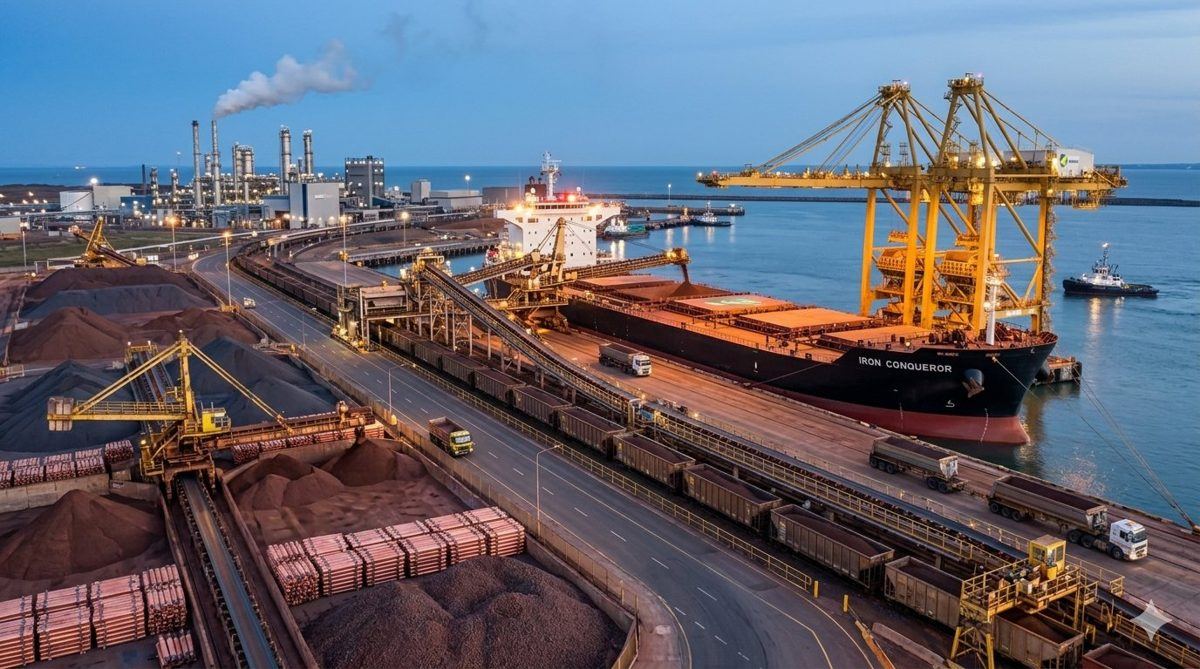
The second pillar is that a well-structured facility does not rely on the trade going well. It is built to protect capital if it does not. The settlement mechanism tells us where the risk sits; the security package determines what we hold when it materialises.
The components vary by jurisdiction and commodity, but the logic is constant. We take security over the goods themselves — through a charge, pledge, or registered security interest, depending on where the cargo sits — so that the financier, not the borrower, controls the asset. We take an assignment of the sale proceeds, so that when the end-buyer pays, the money is contractually ours before it is the trader's. We direct that payment into a collection account we control, so the cash cannot be diverted on its way home. We layer in cargo insurance with the financier as loss payee, guarantees where the structure calls for them, and documentary control over the title to the goods, so that the cargo cannot be released to a buyer without the financier's involvement.
Each layer does a specific job. Together they mean that repayment does not depend on the borrower's goodwill or solvency. It depends on a cargo we have a claim over being sold to a buyer whose payment is routed to an account we hold — with insurance behind the goods and a controlled exit if anything breaks. The borrower's balance sheet matters, but it is a backstop, not the primary source of repayment.
The right question in this asset class is not how strong the borrower is. It is whether the trade repays itself — and what we hold if it does not.
How this compares with supply chain finance and factoring
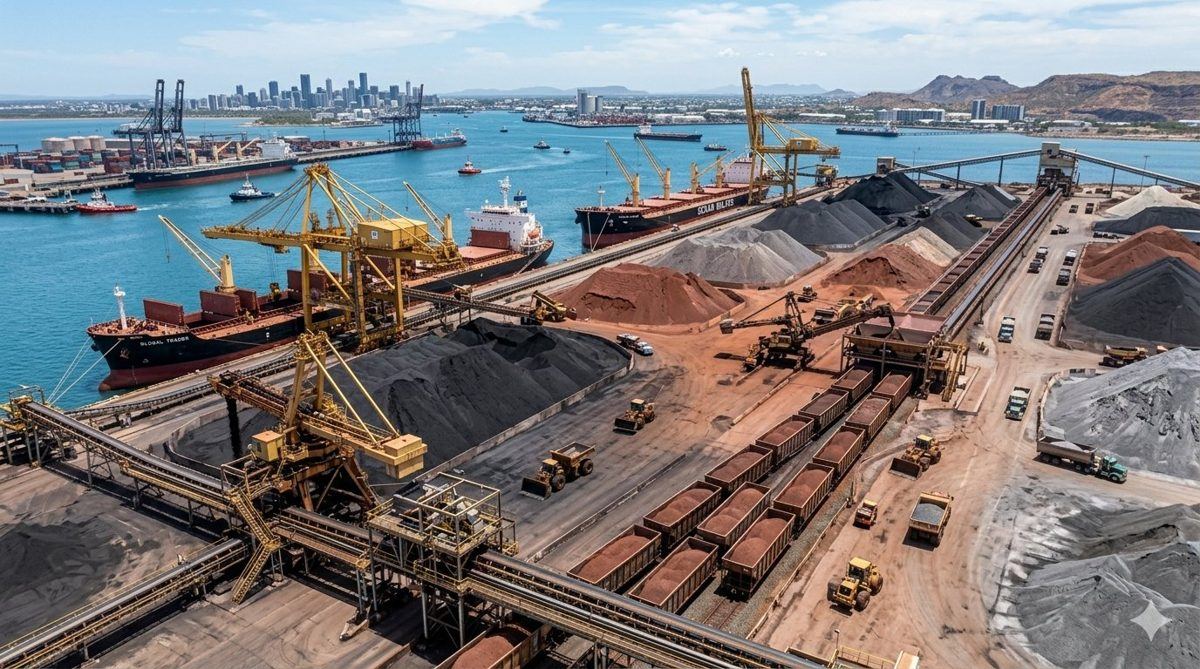
Supply chain finance, receivables finance, and factoring are valuable tools, and they share surface features with trade finance — short tenors, self-liquidating language, a link to underlying commerce. But the resemblance hides a difference that matters a great deal once a counterparty is under stress.
These products are, at their core, ways of monetising a receivable — an invoice that already exists for goods or services already delivered. The financier advances against the expectation that the invoiced party will pay. The structure is built around a debt, not around a movement of goods the financier can see, control, or claim.
Three differences follow from that, and each one favours the structured approach.
The asset versus the IOU. In factoring and receivables finance, the goods are gone. Delivery has already happened; what remains is a claim for payment. If the debtor disputes the invoice, becomes insolvent, or simply refuses, the financier holds a piece of paper and a place in the queue. In structured commodity trade finance, the goods are typically still in transit or under our control when our money is at risk — a tangible asset we have security over, that can be redirected, resold, or claimed under insurance. We hold the cargo, not just a claim on someone who was supposed to pay for it.
Pre-sold versus hoping to be paid. Receivables finance assumes the buyer will honour an invoice raised after the fact. The structured import-to-export trade is built the other way around: the exit buyer and price are fixed before we advance. We are not waiting to find out whether the receivable performs; we have structured the receivable's source — the sale — into the deal from day one, and routed its proceeds through an account we control.
Concentrated, visible risk versus diffuse credit. Supply chain finance programmes often rest on the credit of a large anchor buyer across a pool of suppliers — efficient, but ultimately a bet on one corporate's continued payment. Factoring books spread risk across many small debtors whose individual quality is hard to verify. Structured trade finance concentrates on one transaction at a time, where every element — the goods, the contracts, the counterparties, the payment route — is identified, documented, and monitored. The exposure is larger per deal but radically more transparent, and the financier sits inside the flow of goods and cash rather than alongside it.
Why this matters for an allocator
The practical consequence is that structured commodity trade finance tends to behave differently from credit that depends on borrower health. Because each facility is short-dated and self-liquidating, capital recycles quickly and exposure is continuously re-underwritten rather than locked into a multi-year view of one company. Because repayment is sourced from an identified trade and protected by a controlled security package, a single borrower's difficulty need not translate into a loss — the cargo, the assigned proceeds, the insurance, and the collection account all stand between the disappointment and the capital.
None of this makes the asset class risk-free. Goods can be misrepresented, counterparties can act in bad faith, and structures are only as good as the discipline behind them — which is precisely why origination, documentary control, and monitoring are where the real work lives. But the architecture is sound in a way that monetising an after-the-fact invoice is not. The repayment is designed in, the asset is real and controlled, and the financier's claim attaches to the trade itself rather than to a promise made by someone who has already received the goods.
That is the case for the structure. It does not ask you to believe a borrower will stay healthy. It asks only that a cargo you have a claim over reaches a buyer whose payment comes home through a door you hold the key to. Get that architecture right, transaction after transaction, and the result is an asset class that earns its return from structure and discipline — not from optimism about anyone's balance sheet.
The views above are the author’s and are provided for general information only. They do not constitute investment, legal or tax advice.
in Share on LinkedIn